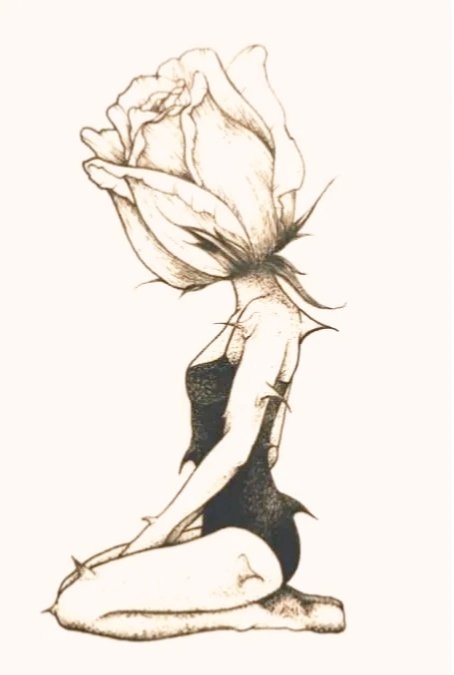
The Unspoken By Meabh O’Malley
They took my baby on a Tuesday morning and by that same Tuesday afternoon, the nuns expected me back working in the laundry as though nothing had happened. That is the part people struggle to understand, now when they look back on places like that. They imagine screaming girls and dramatic scenes from films. But mostly it was silence. Exhaustion. Women moving through grief with cracked hands, sagging empty bellies and lowered heads because there was simply no other choice. Nowhere else left to go.
My body still hurt from giving birth. Milk soaked painfully through the front of my starched laundry issued pinafore and every part of me ached for the child they had ripped from my bodycarried out of the room less than twenty-four hours earlier. I remember standing over a basin of steaming sheets staring at my own hands thinking, I should be cradling my baby.
That was Ireland back then, 19th February in 1959 We carried unbearable things quietly because nobody was interested in hearing them spoken aloud. Should we dare, the punishment was quick and servere.
I was fifteen years old and already considered ruined. That was the descriptor of the day back then, ruined. The man who forced himself on me behind the dance hall after the harvest social walked away untouched afterwards while I became the shameful one. Nobody ever asked his name. Nobody ever wondered how a quiet girl who still blushed during confession suddenly found herself pregnant. The only thing that mattered was that my stomach began to swell where people could see it.
After that, the story no longer belonged to me.
The priest came first. Then neighbours. Then whispers spreading through the town faster than rainwater. Women my mother had known her entire life stopped speaking to her properly. Curtains twitched when she walked to Mass. My father barely looked at me except in flashes of fury so sharp they frightened everyone in the house. Once he struck me so hard across the face I tasted blood for hours afterwards, and even then nobody comforted me because the feeling in our home was that somehow I had brought all this destruction upon us myself.
I still think the shame killed my mother in the end. Not suddenly. Slowly. Jaded her. Numbed her to life.
It settled into her body year after year until she became quieter and smaller and older than she should have been. Before everything happened she used to sing while cooking dinners or hanging washing outside. Afterwards the singing stopped completely. Sometimes at night I could hear her crying softly through the bedroom wall, and even carrying the child of violence inside me, I still somehow believed I was the one who had broken her.
That was the genius of the church back then. They taught girls to carry the blame for what men did to them.
By the time they brought me to the laundry, I already hated myself enough to walk through the doors willingly.
The place smelled permanently of bleach and damp desperatio. Steam hung thick in the air from morning until night and the windows were always half-fogged so the outside world looked distant somehow, as though normal life belonged to other people now. The girls inside rarely spoke openly at first. You learned quickly not to ask too many questions because every girl there carried some version of shame and most of us had already learned the danger of being noticed too much.
Some had fallen pregnant by boys they loved. Some through rape. A few by incest. Some were not even pregnant, put placed there simply because somebody in authority decided they were too troublesome or too wanton or too wild. Once you entered those walls, the details stopped mattering. We all became the same thing in the eyes of the church. Sinners. Girls needing correction. Girls needing punishment disguised as salvation.
I remember one Priest telling me during confession that perhaps God allowed what happened because pride needed humbling in young women. I was so young and frightened by then that part of me actually believed in him. That is what shame does eventually. It enters the body so deeply you begin helping people carry it against yourself.
But none of it — not the prayers, not the punishments, not the years afterwards — ever erased my daughter from me.
I only held her properly once. Dark hair. Tiny fingers. Warm little weight against my chest for barely enough time to understand what was being taken. Then she was gone.
They told me she would have a better life this way. A respectable family. Good opportunities. The language they used always sounded clean and merciful while something monstrous sat underneath it.
Nobody asked if I wanted to keep her. Nobody asked what it might do to a woman to spend the next fifty years searching every unfamiliar face for traces of somebody she once carried inside her body.
I married eventually. Had more children. Lovely children who deserved a mother less haunted than the one they got. From the outside my life probably looked ordinary enough after a while. Baptisms, Communions, Confirmations. Christmas mornings. Family photographs. But there was always something missing from me after that place. A gaping hole from where they ripped my child from.
Even now, all these years later, I still calculate her age in my tormented head. I still wonder whether she ever searched for me too. If she even knew the circumstances of her birth.
And when they finally uncovered the graves in Tuam, County Galway, when the stories began spilling into daylight and documentaries after decades in an unmarked field buried beneath fear and religion and silence, I remember sitting at my kitchen table shaking so badly I could hardly hold the newspaper. Children hidden beneath the ground by institutions that preached morality every Sunday from the altar.
I sent away DNA not long afterwards. Part of me prayed they would find nothing.
But another part — the exhausted part that had spent half a century wondering — prayed they would.
Because even a grave would have been somewhere to bring flowers. Somewhere real to place all the love I was never allowed to give her while she was alive.